October 07, 2026


There's a particular morning in late October when the first proper cold arrives. You take your pipe out of your coat pocket, load it the way you have loaded it since spring, and something is off. The draw is heavier. The smoke tastes thinner, then bitter. Halfway down, the bowl starts to gurgle like a kettle. Nothing has changed except the weather, and yet the smoke is a different animal altogether.
Cold weather doesn't just make standing outside less pleasant. It changes the physics inside your bowl, and once you understand what it's doing, the whole season becomes far easier to enjoy.
First, cold air is dry air. Air that holds less moisture will happily take moisture from anything it touches, and that includes the tobacco in an open tin, a pouch in a jacket pocket, or a bowl you've just filled. Tobacco that was perfect in July can be brittle by Bonfire Night.
Second, cold air is denser, so the draught through the stem feels tighter and the ember behaves differently. You pull harder to compensate, the burn runs hotter, and you end up with a sore tongue for reasons that have nothing to do with the blend.
Third, and most noticeably, there is a temperature gap between the burning ember and a bowl that has been sitting in a cold pocket. Warm smoke hitting a cold stem, shank and mortise condenses almost immediately. That's your gurgle, and it's not a fault in the pipe.
The fix for winter moisture is not to over-dry everything. Tobacco that is bone dry burns hot, loses the oils that carry flavour, and tastes like cardboard. Aim for a middle ground: pinch a ribbon between finger and thumb, and it should hold its shape for a moment before slowly springing apart. If it crumbles, it's gone too far; if it clumps, it's still damp.
A few habits help:
Flakes and plugs handle cold better than fine ribbons because they hold their moisture in the middle. Rub out only what you're about to smoke.
Your summer pack is probably too loose for winter. Cold, dense air and a strong wind pull the ember harder than still summer air, so a bowl that was perfect in June can burn hot and fierce in a December car park. Pack a touch firmer — not tight, just less airy — and expect to tamp more often, lightly and gently.
Slow down. This is the single most useful piece of cold-weather advice. Sip rather than pull, let the pipe idle between draws, and hold the smoke in your mouth rather than dragging it deep. If your tongue starts complaining, the bowl is running hotter than it should and the blend is being wasted anyway.
A shorter smoke means less time for condensation to build, fewer relights in the wind, and less tobacco sacrificed when you decide you've had enough of the cold. Something in the group two or three range, or a cob, is ideal for a ten-minute walk. Save the big, deep bowls for indoors.
Heavier, cooler-burning blends come into their own. Latakia-forward English and Balkan mixtures, dark fired Kentucky, and well-rubbed Virginia flakes all sit comfortably with cold air, woodsmoke and the smell of wet leaves.
Aromatics need more care. Heavily cased blends hold more moisture and gurgle faster in a cold pipe; if you love them, smoke them in a cob, dry them a little longer than usual, and keep the bowl small. Some general directions:
Most British pipe smoking happens outside, in gardens and on doorsteps, and winter makes that a test of kit and posture. A wind cap is worth the small outlay: it keeps the ember even, stops ash blowing into your face and reduces the flare-ups that ruin an otherwise good bowl.
Stand with your back to the wind. Use a wall, a hedge or the side of a shed as a shield. Warm the bowl in your cupped hand before lighting, letting the briar come up to temperature gently; a cold pipe lit hard is more likely to gurgle and to crack over time. Keep your pipe and lighter in an inside pocket — butane lighters are reluctant in the cold, and a pipe left in a freezing car overnight should be allowed to reach room temperature indoors before you smoke it. Sudden temperature changes stress briar, and a cracked bowl is a costly lesson.
A short pipe with a thick wall keeps your fingers warmer than a long, slender one, and fingerless gloves make tamping and relighting far easier than wrestling with full mittens.
Winter pipes need more aftercare, not less. Empty the bowl reasonably soon after you finish; cold ash left to sit turns into something approaching cement. While the pipe is still faintly warm, run a cleaner through the stem and shank, bending it to reach the mortise where water collects.
Then leave it alone. Rest each pipe for at least a day, longer if it smoked wet, and leave a folded cleaner in the shank overnight to draw moisture out of the wood. Store pipes in a dry room rather than on a cold windowsill, and rotate your rotation properly instead of reaching for the same favourite every evening.
None of this is complicated. Check your tobacco's moisture before you fill. Pack a little firmer, tamp a little more, sip more slowly. Take a smaller pipe outside, keep your lighter warm, and stand out of the wind. Clean and rest the pipe when you get back. Do those things and the autumn and winter months become the best smoking of the year — cold air, warm bowl, smoke hanging in the dark.
As with all tobacco, pipe smoking carries health risks, and if you have concerns about your own health it's worth speaking to your GP.
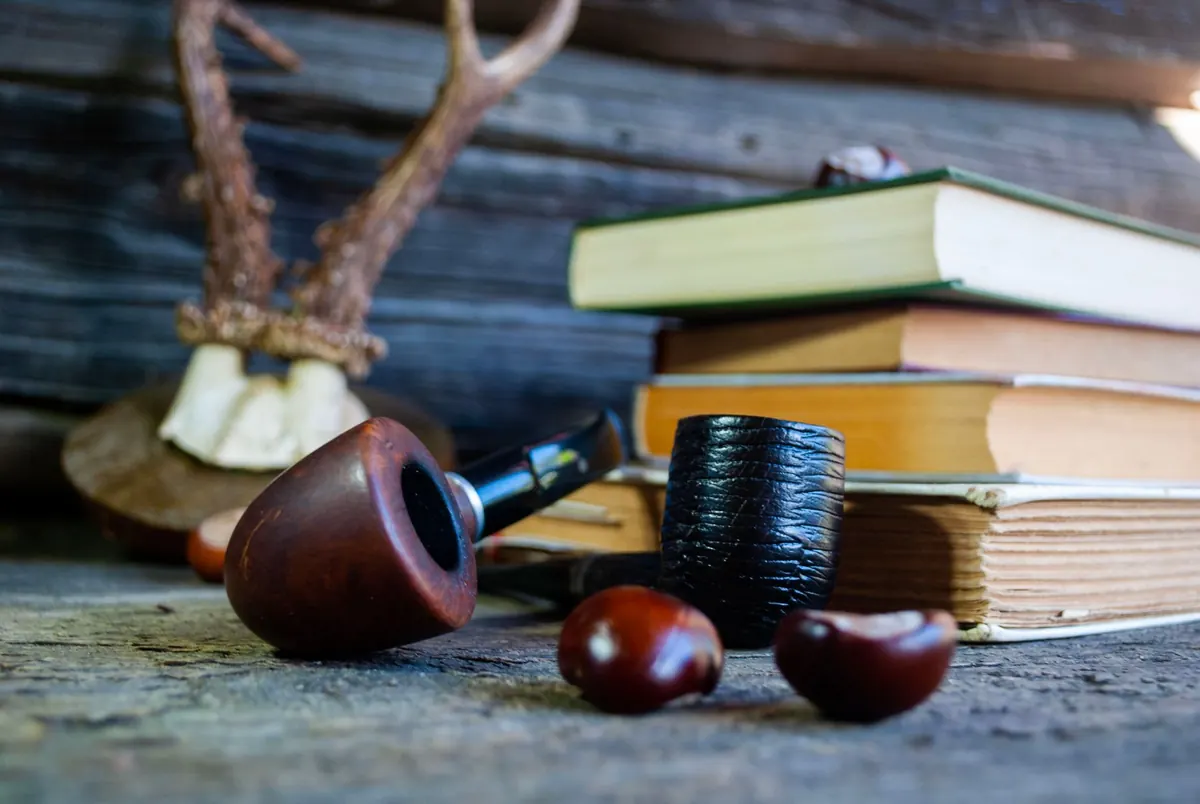
Photo: KRiemer / Pixabay
The magazine for briar pipe enthusiasts.
Copyright © 2026 Briar Mag. All rights reserved. Briar Mag.